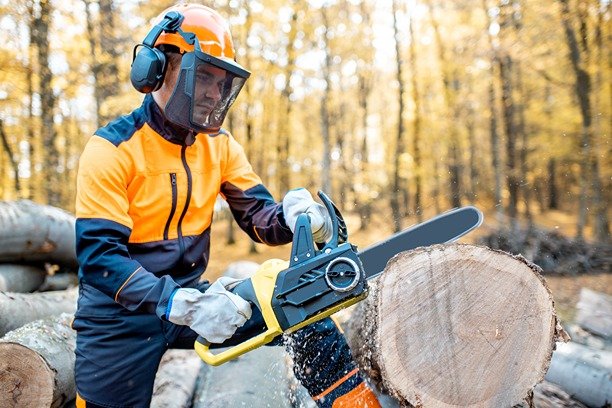
Using a petrol chainsaw saves you hours of manual labor in your garden or job site, but it's no secret that the tool is as powerful as it is dangerous. Recent reports have said that accidents caused by chainsaws have been on the rise in Ireland, and improper usage and lack of safety measures are the reasons behind most of them.
Whether you are a homeowner who wants to tame overgrown trees or a professional landscaper with large projects, learning how to safely handle a stihl chainsaw Ireland can be very crucial. Be it the proper gear of protection or the understanding of advanced safety features, it covers everything that one may need to reduce risks and work confidently.
Before you take up a petrol chainsaws, ask yourself one critical question—are you fully equipped and capable of operating this tool safely? Competency in chainsaw operation goes beyond basic handling; it requires proper training and relevant experience.
Being competent means having the knowledge, skills, and ability to handle a chainsaw responsibly. This includes understanding chainsaw handling techniques, operating safety features, and recognizing potential risks.
If you're a first-time chainsaw user, safety should always be your top priority. It’s crucial to familiarize yourself with the basics before you start cutting. Start by practicing with the chainsaw in a controlled environment, where you can get used to the feel and weight of the tool. Always start with smaller tasks to build confidence before tackling larger projects. A helpful tip is to have an experienced operator nearby when you're learning, as their guidance can be invaluable in teaching you proper techniques and handling methods. Even if you have limited experience, having hands-on practice with your chainsaw while adhering to safety protocols is essential to building confidence in the tool’s use.
To ensure safe usage, important attendance is required in the accredited chainsaw safety courses. For instance, City & Guilds NPTC, LANTRA, or QQI chainsaw training in Ireland can range from beginners to an advanced stage of guidance that operators gain correct expertise for conducting their work.
From elementary maintenance, you make people capable enough to do this with your tool with proper safety and efficiency in the technical skills of tree felling.
If you’re looking for the best tools for your garden equipment, consider checking out Md Burke Ltd for a wide range of gardening categories that can help you with your projects.
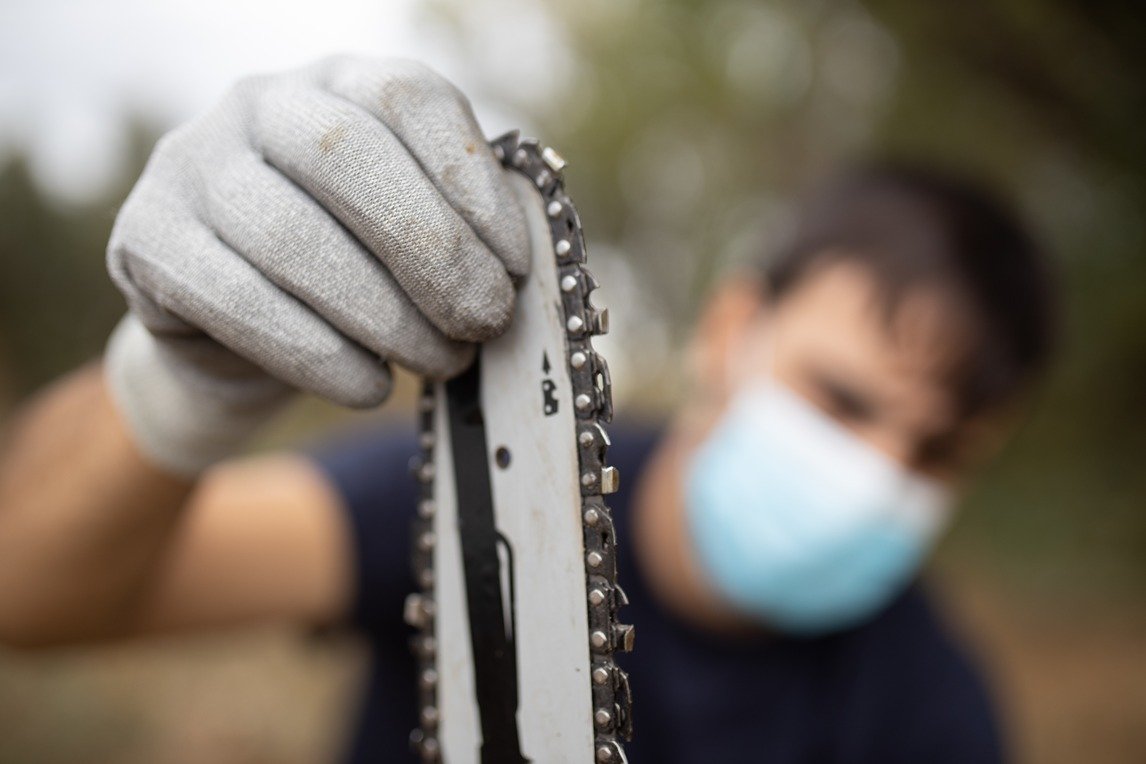
Chainsaw maintenance isn’t just about extending the life of your tool—it’s about ensuring you stay safe while using it. Regular maintenance, including chain sharpening, cleaning the air filter, and inspecting the spark plug, helps prevent malfunctioning during use. A well-maintained chainsaw operates more efficiently, reducing the risk of injury and minimizing downtime. Additionally, paying attention to chain tension and bar condition can help avoid dangerous kickback and improve cutting performance, making your task smoother and faster.
As part of your safety routine, always schedule periodic checks and get your chainsaw professionally serviced as needed. This proactive approach guarantees a reliable tool and further reduces accident risk.
For every small project, there must be an intense risk assessment conducted before starting operations on heavy machinery like a chainsaw.
A risk assessment is not a formality; it is very essential in making the working environment safe for you and other individuals
Even experienced chainsaw operators can fall prey to common mistakes that lead to accidents. Some common errors include:
Avoid these mistakes by being mindful and performing regular safety checks and proper maintenance routines. Always remember that a cautious approach pays off in the long run.
Safety equipment is something that you cannot work with your stihl chainsaw safety kit without actually saving a life. Chainsaw safety gear that fits properly lessens the possibility of death injuries.

Using PPE reduces the risk of injury but responsible handling and chainsaw usage safety rules should complement the protecting gear.
Weather conditions significantly affect chainsaw operation, especially in regions that experience varied climates like Ireland. For example, cold weather can make the chainsaw’s fuel harder to ignite and may reduce the efficiency of the engine. On the other hand, wet or rainy conditions pose a higher risk of electrical hazards and slipping, making it dangerous to operate a petrol chainsaw. Always check the weather forecast before starting work to ensure that conditions are optimal for safe operation. In addition, remember that extreme heat can cause chainsaw components to overheat, so take breaks to allow the tool to cool down during prolonged use.
Run a check-through of your preoperation items before starting. This is one way of safeguarding yourself from safety issues, besides elongating the lifespan of the Chainsaw user guide.
Neglecting the basics can have costly or dangerous consequences, so take the time to prepare.
Once you’ve geared up and prepped your chainsaw safety rules, it’s time to cut—but not before mastering safe cutting techniques.
1. Proper Stance:
2. Two-Handed Grip:
3. Avoiding Kickback:
4. Working with Tough Wood:
Always follow specific guidelines when using a chainsaw related to the particular technique and minimize the chance of having accidents as much as possible.
Modern chainsaws come equipped with advanced safety features designed to make operation easier and safer for users. For example, many petrol chainsaws are now built with anti-vibration systems that reduce hand and arm fatigue, leading to improved control and less risk of accidents. Moreover, automatic chain lubrication systems ensure that the chain is always properly oiled, reducing the friction that can cause overheating and accidents. There are also chainsaws that come with smart sensors that detect when a kickback is about to occur and activate the chain brake instantly. These features not only enhance safety but also improve the overall user experience, making it easier to operate the chainsaw with confidence and less effort.
Petrol saws and other cutting machines should never stop injuries from happening, even if precautionary measures have been implemented. Preparation and preparedness can make the difference in lessening injury.
Record your emergency procedure regarding safety with your chainsaw in your checklist, and therefore respond cohesively and efficiently.
Upon reaching the end of your day, make sure you have stored and transported your chainsaw safely.
It has the best certification courses for individuals who want to enhance their handling skills. It has basic workshops; it goes up to tree-felling sessions, focusing on safety measures at all levels.
Resources, such as HSA, and local workshops are worth more than priceless chainsaw safety tips for professionals and, indeed, new individuals alike. Upskilling with training does not just open doors to safer performance opens doors to compliance opportunities with chainsaw safety regulations with regulations changing over time.
Chainsaws are great tools, and with power comes responsibility. Following the safety tips outlined within this guide risk assessment to proper training and wearing of necessary safety gear totally reduces the incidence of accidents.
If Safety is of paramount importance then check chainsaw safety courses offered throughout Ireland to top up on your skills and confidence levels.
Arm yourself with the information and equipment necessary in proper, safe work while making each cut in a safe way.
Most commonly, a kickback causes injury. It occurs when the tip of the chainsaw bar hits something and yanks back toward the user, inflicting potentially very serious wounds.
Yes, electric chainsaws are somewhat safer than petrol chainsaws because they are lighter and produce less noise, which means fewer moving parts – thus reducing the chances for kickbacks and accidents. Of course, they do not require handling flammable fuel.