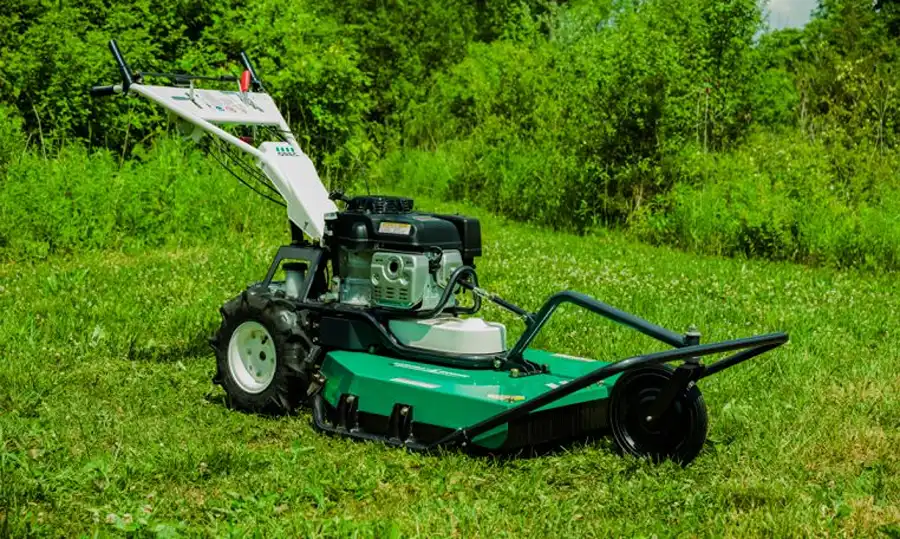
Spring in Ireland brings more than just blooming flowers and greener landscapes. For many Irish gardeners, it’s also a time to tackle the challenges left behind by the long, soggy winter months. Wet soil, rampant overgrowth, and the struggle to revive lawns and gardens make spring gardening particularly daunting. However, with the right machinery and designed solutions, you can transform your garden into a thriving haven.
This guide will walk you through the common hurdles Irish gardeners face and how essential tools like rotavators, lawn mowers, and scarifiers can simplify the process. Plus, learn practical tips and expert insights and find the perfect garden machinery to meet your needs.
Irish winters are characterized by heavy rainfall and damp conditions, which often leave gardens waterlogged and unruly by the time spring arrives. The average winter rainfall in Ireland ranges from 700mm to 1200mm, depending on the region, leading to soil compaction and an environment ripe for overgrowth.
For gardeners, this means dealing with muddy, heavy soil that’s hard to work with and lawns that have been taken over by moss and weeds. Sound familiar? If this resonates with you, know that you’re not alone in your struggle.
Wet, compacted soil is a nightmare for plants. It prevents proper root growth, reduces nutrient distribution, and, in many cases, leads to issues like root rot and fungal diseases. Without addressing these issues, even well-tended plants can suffer.
Ireland’s damp climate creates the perfect conditions for the rapid overgrowth of invasive species and weeds like creeping buttercup, ivy, and couch grass. Left unchecked, this overgrowth can harm biodiversity, choke your flowerbeds, and strip your garden of its aesthetic charm.
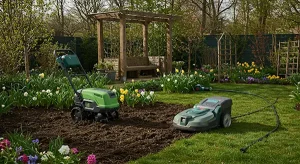
Powerful gardening machinery can save you time, effort, and frustration during the spring gardening season. Tools like rotavators, lawn mowers, and scarifiers are designed to address specific problems caused by wet soil and overgrowth.
At MD Burke Ltd, we specialize in providing expert solutions for Irish gardeners. From heavy-duty lawn mowers to versatile rotavators, our products are tailor-made to tackle Ireland’s gardening challenges.
Rotavators are a must-have for dealing with compacted, wet soil. They break up heavy soil, enhance aeration, and prepare your garden bed for planting. Depending on your garden’s size, you can choose from different rotavators, including lighter electric models or heavy petrol-powered ones designed for large plots.
After a wet winter, your lawn may be overgrown, mossy, and uneven. A quality lawn mower is the quickest way to restore your lawn to its former glory. Rotary mowers handle most lawn conditions, while cylinder mowers are ideal for creating that professional striped finish. For tech lovers, robotic mowers can take the hassle out of regular mowing.
Scarifiers are essential for removing thatch (a layer of dead grass and moss) that builds up over winter. By scarifying your lawn, you improve aeration and nutrient absorption, which promotes healthy growth and a lush, green appearance.
We spoke with Mary O’Connell, a respected Irish horticulturist, about the biggest challenges of spring gardening in Ireland.
“The key to spring gardening success in Ireland lies in addressing the unique climate characteristics. Wet soil and overgrowth can seem overwhelming, but with the help of good tools and a bit of planning, any gardener can create a beautiful space,” she advises.
Mary recommends starting early in spring, while the soil is still workable, and focusing on maintaining a balance between aesthetics and biodiversity.
Case Study
After struggling with invasive weeds and waterlogged turf, James from Galway turned to our recommended machinery. Using a scarifier and rotavator from My Brand, Md Burke, James restored his garden to a vibrant, thriving state. “I never thought I could revive my garden so quickly. The tools made all the difference!” he says.
Before and after photos of his garden showcase the dramatic transformation—a testament to the power of the right machinery.
To keep your machinery in top condition, follow these maintenance tips:
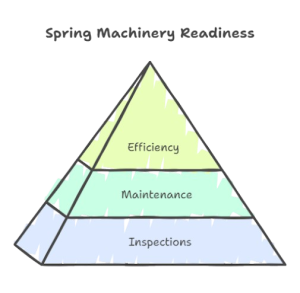
Spring gardening in Ireland doesn’t have to be a struggle. Armed with the right machinery, knowledge, and support, you can tackle even the toughest challenges and create a garden you’re proud to show off. Remember, wet soil and overgrowth are no match for modern tools like rotavators, lawn mowers, and scarifiers.
At Md Burke Cashel, we’re passionate about helping Irish gardeners succeed. Browse our online catalog today and find the gardening machinery that’s perfect for you. If you have any questions, our team of experts is ready to help.
Visit our store! Contact us now for expert advice and to get started on your spring garden revival!
A: Rotavating is key to breaking up compacted, wet soil and improving drainage. Allow the soil to dry slightly before rotavating, and consider adding organic matter to further enhance drainage.
A: A rotary lawn mower is generally recommended for tackling thick, overgrown grass. Consider a model with a powerful engine and adjustable cutting height for optimal performance.
A: For lawns with significant moss and thatch, annual scarification in spring or autumn is advisable. If the thatch layer is thinner, scarifying every other year may suffice.
A: Key steps include checking and changing the oil, sharpening or replacing blades, inspecting air filters, and ensuring all components are clean and properly lubricated.
A: Begin garden preparation when daytime temperatures consistently reach around 50°F (10°C) and the soil is no longer waterlogged. This typically occurs in late March or April in Ireland.