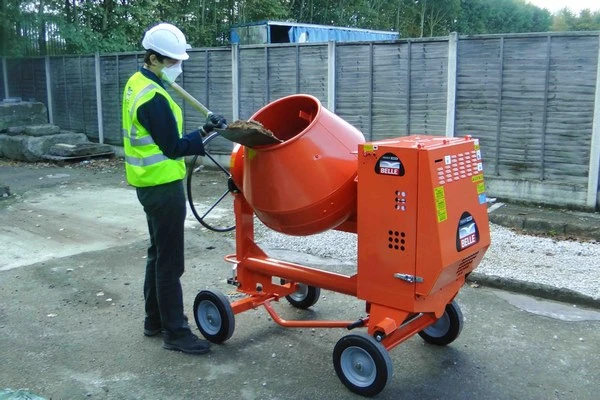
When it comes to home improvement projects—whether it’s building a small patio, fixing a garden path, or tackling a foundation mix—you’ll often find yourself wishing for a quicker, more efficient way to handle concrete. Mixing by hand is tedious, inconsistent, and exhausting. But don’t worry, there’s a better solution!
A portable cement mixer can transform the way you approach DIY projects by saving time, reducing labor, and delivering consistent results every single time. This guide is here to help you choose the best cement mixer for DIY home projects in Ireland, based on your project needs, budget, and desired features. Plus, we’ll share practical tips and resources, including a look at MD Burke’s reliable range of Concrete mixers.
For most DIYers, the size of your project will determine the mixer type you need. Here’s a simple breakdown to help identify which size suits your project:
Projects like small garden walls, steppingstones, or fence posts can easily be handled with portable electric mixers featuring drum capacities of 50–100 liters.
Larger patios, pathways, or garden sheds require mixers with a capacity of around 120–150 liters. This is your sweet spot for most standard DIY projects.
If you’re working on heavy-duty tasks like foundations or landscaping, you’ll need a mixer with a capacity of 200+ liters for efficiency.
For a one-off project, a smaller, budget-friendly mixer might do the job. But for recurring or multiple projects, it’s worth investing in a durable, high-capacity mixer.
Prices for portable concrete mixers in Ireland typically range between €250 and €1,000, depending on capacity and features. Consider the value it offers for your long-term needs.
Expert Tip: John Millar, a builder based in Dublin, says, “The right mixer will save you hours of hard work and costly mistakes. Choose one that matches your project size and always go for quality over cheap models.”
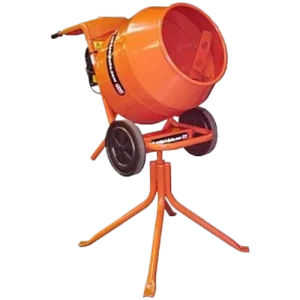
These are ideal for DIYers. They’re quieter, require less maintenance, and are perfect for small to medium-home projects. Just ensure you’re working near a reliable power source.
These are more powerful and portable, making them suitable for large projects or sites without electricity. However, keep in mind the additional noise and maintenance requirements.
The most common for DIY use, drum mixers are efficient and easy to operate, perfect for general concrete mixing jobs at home.
Less common in DIY projects, these are better suited for specialized needs, such as working with semi-dry mixes.
Tilting drum mixers allow for easier pouring, reducing strain when transferring the concrete to wheelbarrows or molds. This feature is especially useful for DIYers working solo.
Choose a drum size based on the size of your project. Here’s a quick guide:
Look for mixers with sturdy wheels, lightweight construction, and handles for effortless movement. Compact designs are also easier to store.
A powerful motor ensures smooth mixing, even with thicker concrete. For example:
Invest in models built with robust materials, like steel drums and weather-resistant finishes, to withstand Ireland’s unpredictable climate.
Quick assembly, simple cleaning mechanisms, and low-maintenance parts can make your DIY project smoother.
Prioritize safety with features like secure drum locks, emergency stop functions, and anti-tip designs.
Here are some of the best options available in the Irish market:
|
Mixer Model |
Capacity |
Power Source |
Price |
Best For |
|
Belle Minimix 150 |
136L |
Electric/Petrol |
€499 |
Small-medium projects |
|
BELLE MINIMIX 110V M12B |
130L |
Electric |
€625 |
Beginners |
|
Makita TMX201 |
200L |
Petrol |
€975 |
Professional-level DIYers |
Case Study
Sarah from Cork successfully transformed her overgrown backyard into a neatly paved patio, using a Belle Minimix 150. She shared, “I finished the project in two days—this mixer was a game-changer!”
You can find a wide range of petrol cement mixers at the following:
Check out stores like MD Burke Cashel.
Websites like Mdbrukeltd.ie Direct often have competitive prices and detailed reviews.
MD Burke specializes in high-quality, reliable cement mixers for Irish DIYers. Browse our selection online for exclusive deals and expert advice.
For a detailed guide, check out our Cement Mixer Maintenance Checklist.
Choosing the right portable concrete mixer can make all the difference in your home improvement projects. With these tips and recommendations, you’re equipped to tackle your next project with confidence.
Need help deciding? Visit MD Burke today to find the perfect mixer for your needs. Our team of experts is always happy to guide you. Shop Now
A cement mixer can be a worthwhile investment for home improvement projects, allowing you to mix cement and concrete efficiently.
Cement mixers are used to mix the dry cement powder with water, while concrete mixers combine the cement, water, and aggregates like sand and gravel.
Yes, you can mix cement by hand, but it is more labor-intensive and time-consuming compared to using a cement mixer.
According to my research, MD Burke is a supplier of electric cement mixers & petrol cement mixer in Ireland. They offer a range of models suitable for various construction and DIY projects.
The size of the slab that can be poured with a cement mixer depends on the mixer’s capacity, but typically, a standard cement mixer can handle small to medium-sized slabs, such as those used for patios, walkways, or small foundations.
Concrete should be poured as soon as possible after mixing, typically within 30-60 minutes, to ensure the best results and prevent the concrete from setting too quickly.