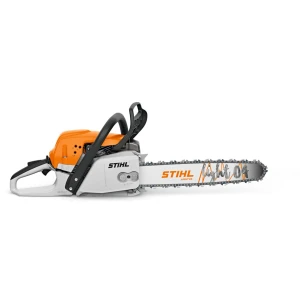
Maintaining Your Chainsaw for Safety and Efficiency
Chainsaws are useful tools for professionals, arborists, gardeners, and tree care experts. When working on tasks such as trimming, bucking firewood, or clearing brush, a reliable chainsaw is a valuable asset. But with great power comes responsibility—a well-maintained chainsaw is not only safer but also performs better and lasts longer.
That’s why it’s critical to recognize common problems and apply the right solutions. Whether you’re in Ireland or elsewhere, this friendly guide will help you maintain your petrol chainsaw like a pro!
Understanding the Basics of Chainsaw Operation
Before diving into maintenance and troubleshooting, it’s important to understand the fundamental operation of a chainsaw. A chainsaw works by rotating a chain along a guide bar at high speeds. The chain has sharp teeth designed to cut through wood efficiently, but its effectiveness relies heavily on proper maintenance. Without the right care, chainsaw components can become dull, damaged, or misaligned, leading to poor performance.
Key Considerations:
- Always ensure the chain is correctly tensioned.
- Check the chain brake regularly for proper function.
- Pay attention to the oil flow and the sharpness of the chain for efficient cutting.
Who We Are
For all your gardening needs, check out Md Burke Ltd. This well-known Irish brand, based in Cashel, focuses on gardening and landscaping products, along with a variety of home and garden tools. With years of experience, Md Burke offers a wide selection of high-quality garden machinery, construction equipment, and essential tools and parts.
Their petrol chainsaws are especially popular among both amateur gardeners and professional landscapers. They also carry a range of cleaning products and other gardening essentials. If you’re looking for the best garden tools and parts, Md Burke in Cashel is the brand to trust for all your outdoor projects.
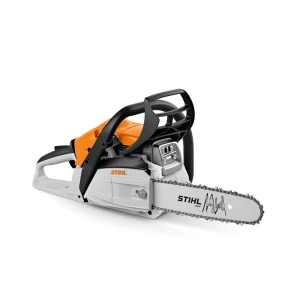
1. Regular Maintenance for Optimal Chainsaw Performance
Cleaning the Air Filter
A clogged air filter stifles your engine’s efficiency.
- Why It’s Important: Dirt buildup limits airflow, causing your engine to overheat or underperform.
- How to Do It: Remove the air filter, tap out loose debris or wash it with warm soapy water. For severely clogged filters, replace them altogether.
Using Fresh Gasoline and Proper Fuel Mixtures
Using stale petrol is often the culprit behind poor chainsaw performance.
- Why It’s Important: Old fuel leads to gummed-up carburetors.
- How to Mix Properly: Use fresh gasoline combined with high-quality two-stroke oil. For most chainsaws, the correct ratio is 50:1—check your manufacturer’s instructions.
Adding Bar and Chain Oil Regularly
Neglecting lubrication can damage the bar and chain.
- Why It’s Important: Proper lubrication reduces friction and prevents engine overheating.
- How to Check Oil Flow: Test by holding the chain near a piece of cardboard. If there’s a spray of oil when the chain spins, you’re good to go!
Regular Chain Sharpening
A dull chain makes cutting slow and unsafe.
- Why It’s Important: Dull teeth increase strain on the engine and can lead to crooked cuts.
- Best Way to Sharpen: Use a file gauge and depth gauge to ensure even sharpening across all teeth.
2. Common Chain Issues
Crooked or Angled Cuts
- Cause: Unevenly filed chain teeth.
- Solution: Check for consistency in tooth size and shape across the chain and file them evenly.
- Cause: Incorrectly filed rakers (depth gauges).
- Solution: Use a depth gauge file to adjust the height of the rakers correctly, maintaining the manufacturer’s specifications.
3. Troubleshooting Starting Problems
Dirty or Clogged Carburetor
- Symptoms: Difficulty starting or stalling after ignition.
- Solution: Use a carburetor cleaner to clear obstructions. Severely dirty carburetors may need a replacement.
- Symptoms: Trouble starting and reduced performance.
- Solution: Always use fresh petrol and add a fuel stabilizer for longer storage periods.
Plugged Fuel Filter
- Symptoms: Engine sputtering or stalling.
- Solution: Clean or replace the fuel filter in line with your manufacturer’s maintenance schedule.
No Spark Issues
- Symptoms: The chainsaw engine won’t start at all.
- Solution: Check the spark plug condition and gap. Replace damaged plugs and inspect wires and ignition coils for damage.
Clogged Spark Arrester Screen
- Symptoms: Restricted exhaust flow and poor chainsaw performance.
- Solution: Locate the spark arrester in the muffler, clean it, or replace it if damaged.
4. Fixing Chain Oil Delivery Problems
- Symptoms: Dry bar or chain when used, low oil usage
- Solution: Clean around the bar, oil holes, and chain. Take off the bar and test oil flow by operating the chainsaw at full throttle and see if it is spraying oil.
Tips for chain that won’t move
- Drain the fuel system if storing for more than 30 days.
- Flush fuel and oil tanks periodically to remove residue.
- Inspect and clean the air and oil filters before long-term storage.
Regular Sharpening and Adjustments
- Ensure proper chain tension—too loose, and it can slip; too tight, and it strains the engine.
- Test cuts frequently to check alignment and sharpness.
Lubrication for Smooth Operation
- Use high-quality two-stroke oil and always refill the chain oil reservoir with every fuel fill.
6. Chainsaw Types and Uses
The ideal times to plant hydrangeas are in the spring or fall when temperatures are mild. This timing allows their roots to establish before extreme heat or frost settles in.
- Petrol Chainsaws: Powerful and ideal for heavy-duty tasks like logging.
- Electric Chainsaws: Perfect for smaller tasks like pruning.
- Battery-Powered Chainsaws: Great for portability and eco-friendliness.
Top 3 categories in Md Burke
- Professional Range: High-performance chainsaws for heavy-duty forestry and industrial tasks.
- Domestic Saws: Easy-to-use chainsaws for everyday tasks like pruning and firewood cutting.
- Agriculture & Landscaping Saws: Durable chainsaws for farm maintenance and landscaping needs.
Versatility in Gardening and DIY Projects
Chainsaws are highly versatile—whether trimming branches, cutting firewood for the Irish winter, or clearing land. Keeping your chainsaw in perfect shape is easy with the best chainsaw maintenance services in Ireland!
7. Electric Chainsaw Maintenance
Even electric chainsaws require care!
Lubrication for Smooth Operation
- Check power cords for frays or cuts.
- Monitor the motor for unusual noises or worn brushes.
Maintenance Tips
- Clean and lubricate the bar and chain regularly.
- Have professionals address motor issues if you lack experience.
8. Safety First!
Essential Protective Gear
Always wear gloves, goggles, ear protection, and sturdy boots.
Startup and Operation Guidelines
- Engage the chain brake before starting.
Follow proper starting positions to stay stable and safe (e.g., a firm stance with the chainsaw on the ground).
9. Chain Overheating
- Dull or Damaged Chain: A dull or damaged chain causes excessive friction leading to overheating.
- The tension of the chain is too tight: Tension of the chain at extreme levels causes excessive friction resulting in overheating.
- Proper lubrication of the chain does not occur: Overheating occurs when there is a lack of proper lubrication of the chain resulting in excessive friction.
Solutions:
- Sharpen or replace the chain: If it is worn or broken, sharpen it, or obtain a new chain.
- Tighten chain tension: Loosen the bar nuts and loosen the chain by adjusting the tension according to the manufacturer’s directions.
Lubricate the chain: Apply the bar and chain oil at the moving components of the chain but avoid over-lubrication for easy and balanced distribution.
10. Chain Slipping Off
Possible Cause:
1-Worn sprocket nose: Over time, wear on the sprocket nose might make the chain loosen.
2-Dull or damaged chain: Chains are more prone to falling off the bar while utting when they are dull or broken.
3-Loose bar nuts: The bar may slide and the chain may come off if the nuts are loose
Possible solutions
Check sprocket nose: Take the chain off the bar and look for signs of wear and tear before examining the nose of the sprocket. Replace with a fresh one if worn out.
File or replace chain: First, remove the worn or broken teeth of the chain using a round file then sharpen the chain.
However, if damaged badly, replace the chain with an intact one. Tighten the bar nuts with a wrench. This ensures that there is even distribution in terms of tightness to ensure that bars are not warped.
Grab your wrench and oil, and give that chainsaw the care it deserves!
How to Extend the Life of Your Chainsaw
A chainsaw is an investment, so it’s important to take the right steps to ensure it serves you well for many years. Beyond basic maintenance, there are a few practices that can help extend nd the life of your chainsaw:
Prolonging Chainsaw Longevity:
- Always store your chainsaw in a dry, cool place away from extreme weather conditions.
- Perform periodic checks on the bar and chain, and replace parts that show signs of wear.
If you’re not using your chainsaw for a while, drain the fuel tank to prevent fuel from going stale. the life of your chainsaw:
Prolonging Chainsaw Longevity:
- Always store your chainsaw in a dry, cool place away from extreme weather conditions.
- Perform periodic checks on the bar and chain, and replace parts that show signs of wear.
If you’re not using your chainsaw for a while, drain the fuel tank to prevent fuel from going stale.
When Should You Replace Your Chainsaw?
Even with the best maintenance practices, your chainsaw will eventually show signs of significant wear and may need to be replaced. Here are some factors to consider when deciding whether to replace your chainsaw:
Replacement Indicators:
- The engine is no longer performing efficiently, even after repairs.
- The cost of repairs exceeds the value of the chainsaw.
- Major components such as the engine, bar, or chain are damaged beyond repair.
If you’ve been using your chainsaw for many years and it’s showing significant signs of wear, it might be time for a new model that can handle the tasks at hand more efficiently.
Keep Your Chainsaw in Top Shape
Regular care and maintenance are essential to keeping your petrol chainsaw running smoothly. From cleaning air filters to sharpening chains and troubleshooting starting issues, small efforts can lead to big performance improvements.
Looking for more tips? Explore our Chainsaw Lubrication Tips for Beginners and learn strategies to extend the life of your tool. Keeping your chainsaw in perfect shape is easy with the best chainsaw maintenance services in Ireland! A friendly budget choice – you can find affordable chainsaw parts right here too!
Related Article
- Best Garden Machinery for the Irish Climate
- A Complete Guide to Construction Machinery and Equipment in Ireland
- 2025’s Best Lawn Mowers for a Perfectly Manicured Yard
- Best Stihl Chainsaws: Reviews & Buying Advice
- A Complete Guide to the Top Pressure Washers and Pressure Cleaners
- Garden Design Ideas for Small Low-Maintenance Spaces
- Best Ride-On Mowers for Irish Gardens in 2025
- Your Guide to Seasonal Gardening in Ireland
- Commercial vs. Residential Mowers: Long-Term Savings?
- Cement Mixer Mastery: Choosing the Right Size & Maintaining It for Years to Come
- Your Ultimate Guide to Choosing the Right Garden Machinery
- Spring Garden Revival: Conquer Ireland’s Wet Soil & Wild Growth with the Right Machinery
- Why Your Irish Lawn Mower Won’t Start (and How to Fix It Fast)
FAQs
What is the most common chainsaw accident?
The most common chainsaw accident is kickback, which occurs when the tip of the chainsaw bar strikes an object, causing the saw to jerk back toward the operator, potentially leading to serious injuries.
What is the useful life of a chainsaw?
The useful life of a chainsaw typically ranges from 5 to 10 years, depending on usage, maintenance, and the quality of the tool. Regular maintenance can extend its lifespan.
How long will chainsaw fuel last?
Chainsaw fuel, particularly a mixture of petrol and oil, can last up to 30 days if stored properly in a sealed container. After that, it may start to degrade, affecting performance.
Why is my chainsaw blade overheating?
Overheating of your chainsaw blade may be due to a dull chain, lack of lubrication, incorrect tension of the chain, improper cutting technique, cutting hard or dry wood, a dirty air filter, or worn components. Addressing these issues—such as sharpening the chain, ensuring proper oil levels, adjusting chain tension, and using the correct cutting technique—can help prevent overheating and maintain optimal performance.
Why is my STIHL chainsaw so hard to start?
If your STIHL chainsaw problems is hard to start, it could be due to several factors such as stale fuel, a clogged air filter, or issues with the spark plug. Similar to gardening chainsaw problems, ensure the ignition kill switch is on and check for proper fuel flow. Regular maintenance can