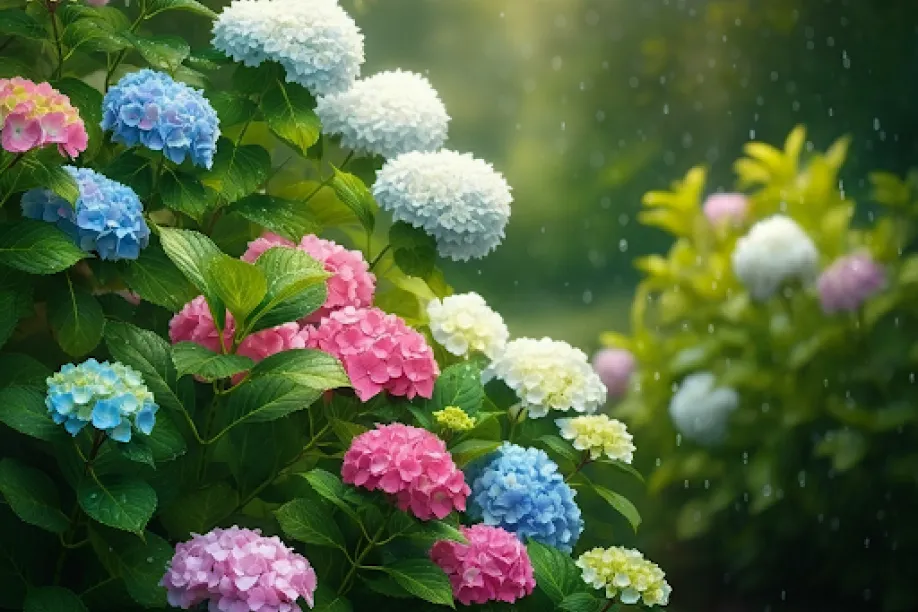
Hydrangeas are a favorite and welcome addition to gardens in the world, with blooms and colors that brighten up any outdoor space. As elegant shrubs with so much beauty, their flexibility in climate and a vast possibility to enhance one's garden is unmatched. But knowing how to care for them and making the necessary thoughtful planning will be of the utmost importance. Whether you're a new gardener or a seasoned plant lover, this guide will cover everything you need to know about hydrangeas—how to plant them, care for them, and solve common issues. By the end, you'll have all the tools you need to make your hydrangeas Ireland the star of your garden!
Hydrangeas, also known as Hydrangea Hydrangeaceae, are deciduous shrubs that are celebrated for their vibrant, globe-like flower clusters in colors ranging from blue to pink to white and purple. They are dramatic beauties that are easy to care for, making them a favorite among gardeners worldwide.
Best Planting Times: Spring or fall
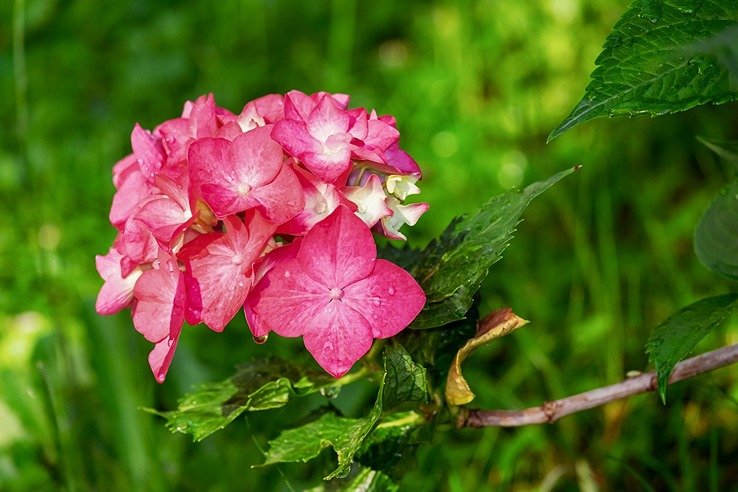
Each type of hydrangea Ireland offers its own unique charm. Here’s a quick overview of popular varieties to help you pick the perfect match for your garden:
Hydrangeas tree Ireland thrive in dappled sunlight, balancing full sunlight in the morning with shade in the afternoon. Too much direct sunlight can cause their leaves to scorch, while too much shade can limit flower production. Choose locations with well-draining soil that retains moisture without becoming waterlogged.
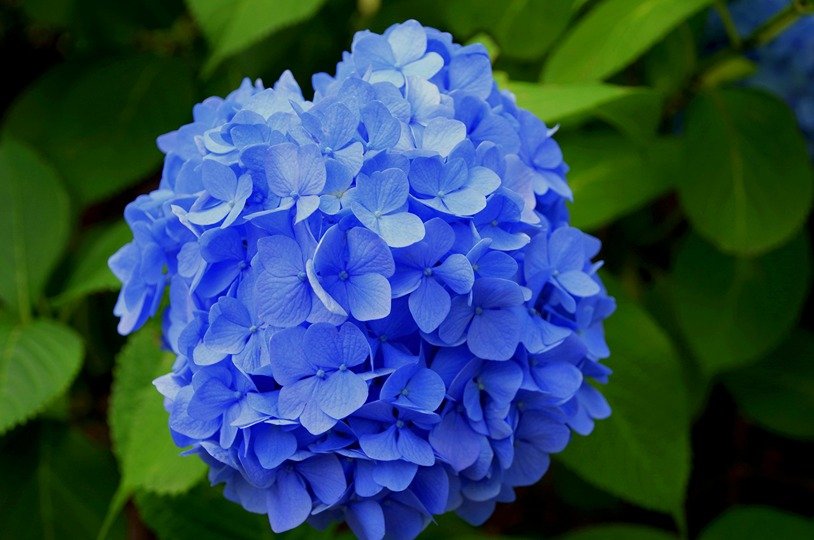
Blue hydrangea prefers rich, loamy soil. The soil’s pH can also influence the flower color:
To adjust soil pH:
The ideal times to plant hydrangeas are in the spring or fall when temperatures are mild. This timing allows their roots to establish before extreme heat or frost settles in.
Caring for hydrangeas or hortensia plant care is straightforward, but attention to detail makes all the difference.
Hydrangeas prefer moist but not waterlogged soil; however, overwatering may cause root rot. So, water deeply 2–3 times a week or more during drought periods. Drip irrigation is a great way to ensure steady moisture delivery.
Apply a 2–3 inch layer of organic mulch, such as wood chips or bark, around hydrangeas to regulate soil temperature, retain moisture, and suppress weed growth.
To ensure healthy growth, proper hydrangea feed Ireland and hortensia care is essential. Feed your hydrangea tree in early spring with a balanced, slow-release fertilizer (e.g., 10-10-10). For blue flowers, use low-phosphate fertilizers, while pink blooms can benefit from a more alkaline mix.
Pruning encourages healthy growth and maximizes blooms. Follow these tips based on the type of hydrangea you’re growing in ireland:
Want more hydrangeas for free? Propagation is a rewarding process! Here’s how to do it:
Even with proper care, red hydrangea might face challenges. Here’s how to troubleshoot:
Pests (e.g., aphids, vine weevils)? Use insecticidal soap or neem oil.
Looking for inspiration? Here are some must-try varieties:
Mophead Hydrangeas: ‘Endless Summer,’ ‘Blue Wave.’
‘Annabelle Hydrangea’
Pros:
Cons:
‘Limelight Hydrangea’
Pros:
Cons:
‘Pinky Winky’
Pros:
Cons:
‘Little Lime’
Pros:
Cons
‘Endless Summer’
Pros
Cons
‘Blue Wave’
Pros
Cons
By comparing and weighing the advantages and disadvantages of each hydrangea species, you are likely to make informed decisions and achieve beautiful and healthy gardening in Ireland.
Want to bring hydrangeas to your garden? Check out these recommended retailers:
Hydrangeas offer beauty, flexibility, and charm, making them a cherished addition to any garden style. By following this guide—selecting the right varieties, planting thoughtfully, and providing proper care—you’ll enjoy gorgeous blooms season after season.
Whether you’re a novice or pro, hydrangeas never fail to delight. Now’s the perfect time to get started—happy gardening!

For all your gardening needs, consider Md Burke Ltd. This Irish brand specializes in the gardening and landscaping niche, as well as home and garden products. With several years of experience, they offer a wide range of garden machinery, construction equipment, tools, and parts from their base in Cashel, Ireland. Their best-selling category includes petrol chainsaws, which are popular among both amateur gardeners and professional landscapers.
In spring, you should remove any dead or damaged wood from your hydrangea macrophylla plant. For mophead hydrangea varieties, such as hydrangea macrophylla mophead, you can lightly prune to shape the plant and encourage new growth. If you have hydrangea macrophylla lacecap, avoid heavy pruning, as they bloom on old wood.
It is generally not recommended to cut your hydrangeas in the fall, especially for hydrangea macrophylla varieties. Pruning in the fall can remove flower buds that will bloom in the following spring. Instead, wait until late winter or early spring when you can see the new growth.
The best time to move a hydrangea in container or any hydrangea in pots is in early spring or fall when the plant is dormant. This minimizes stress and allows the plant to establish roots in its new location before the growing season begins.
For a hydrangea in pots, use a well-draining potting mix that retains moisture but does not become waterlogged. A mix of peat-based compost with added perlite or bark is ideal. This ensures good drainage while providing the nutrients your hydrangea macrophylla plant needs.
Hydrangeas thrive in temperatures between 60°F to 75°F (15°C to 24°C). For hydrangea in winter, ensure they are protected from extreme cold, especially if they are in pots, as container plants can be more susceptible to freezing temperatures. Consider moving them to a sheltered location or wrapping the pots to insulate the roots.